Makers of 3d printed musical instruments
We started exploring the possibilities of 3d-printing cornetti because we felt that it was way too hard for a beginner, or aspiring cornettist, to find an affordable and easily accessible instrument with great playability. We develop these instruments with the ambition that they first and foremost should play extremely well while still keeping a low price tag. We hope and think that we managed precisely that.//Per Brännström and Viktor Lindholm, Umeå, SwedenTo order from us, click here!
Or email [email protected]
Cornetti
Current models available:
Soprano Cornetti in a = 440, 466 and 492hz.
Alto Cornetti in a = 440 and 466hz
Design and materials
Go here if you're interested in knowing more about our design philosophy, the materials and the printing process.
Mouthpieces
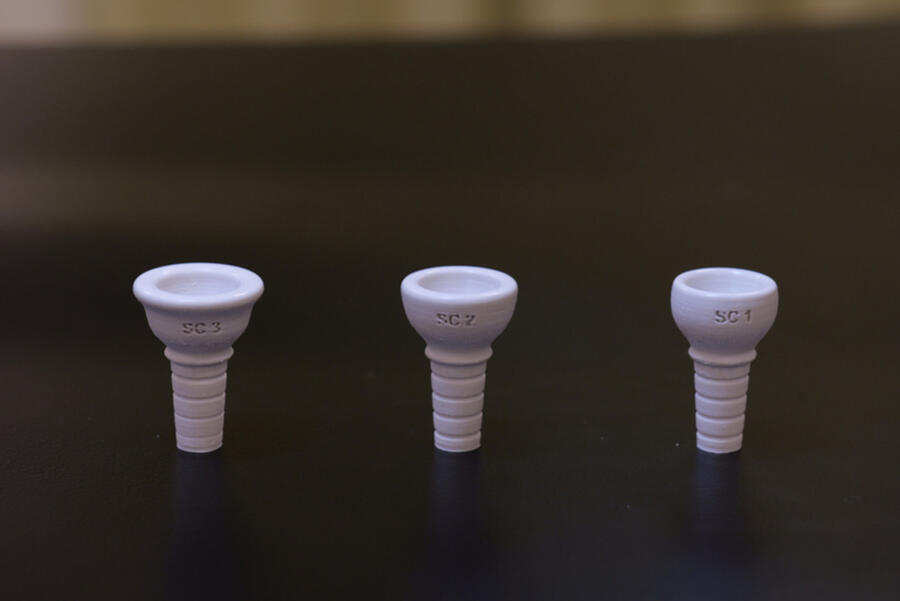
Finding a mouthpiece that suits you can be really tricky, especially when just starting out. We therefore supply 3 mouthpieces of different sizes and types with our cornetti, but can also make custom designs.
Carrying Pouches
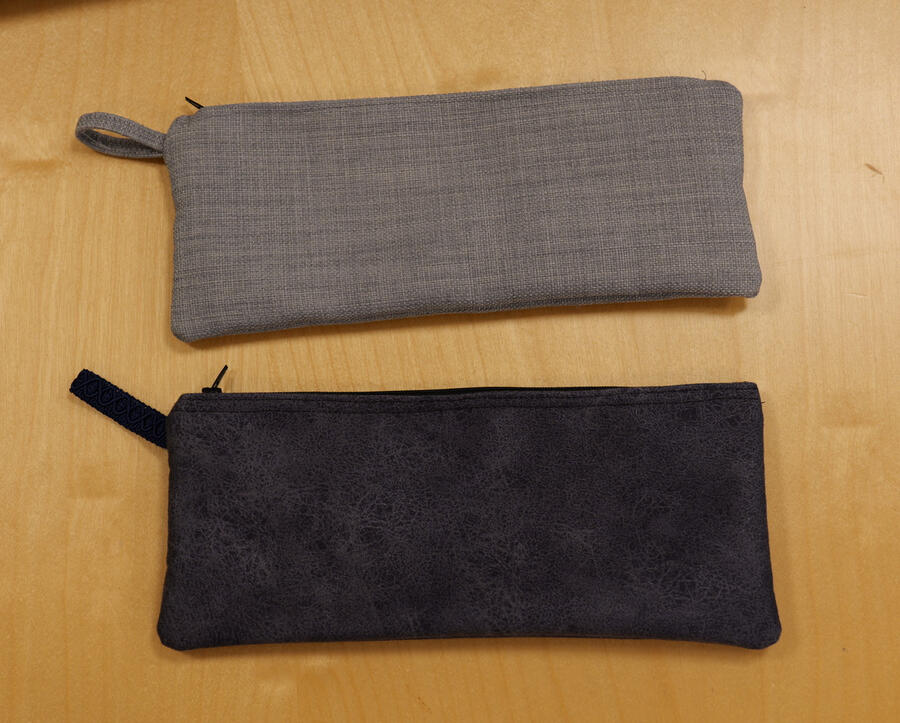
We alo make simple carrying pouches out of different materials, with a zipper and a small mouthpiece compartment. An easy way to carry your 3 part cornetto around.
Cornetti
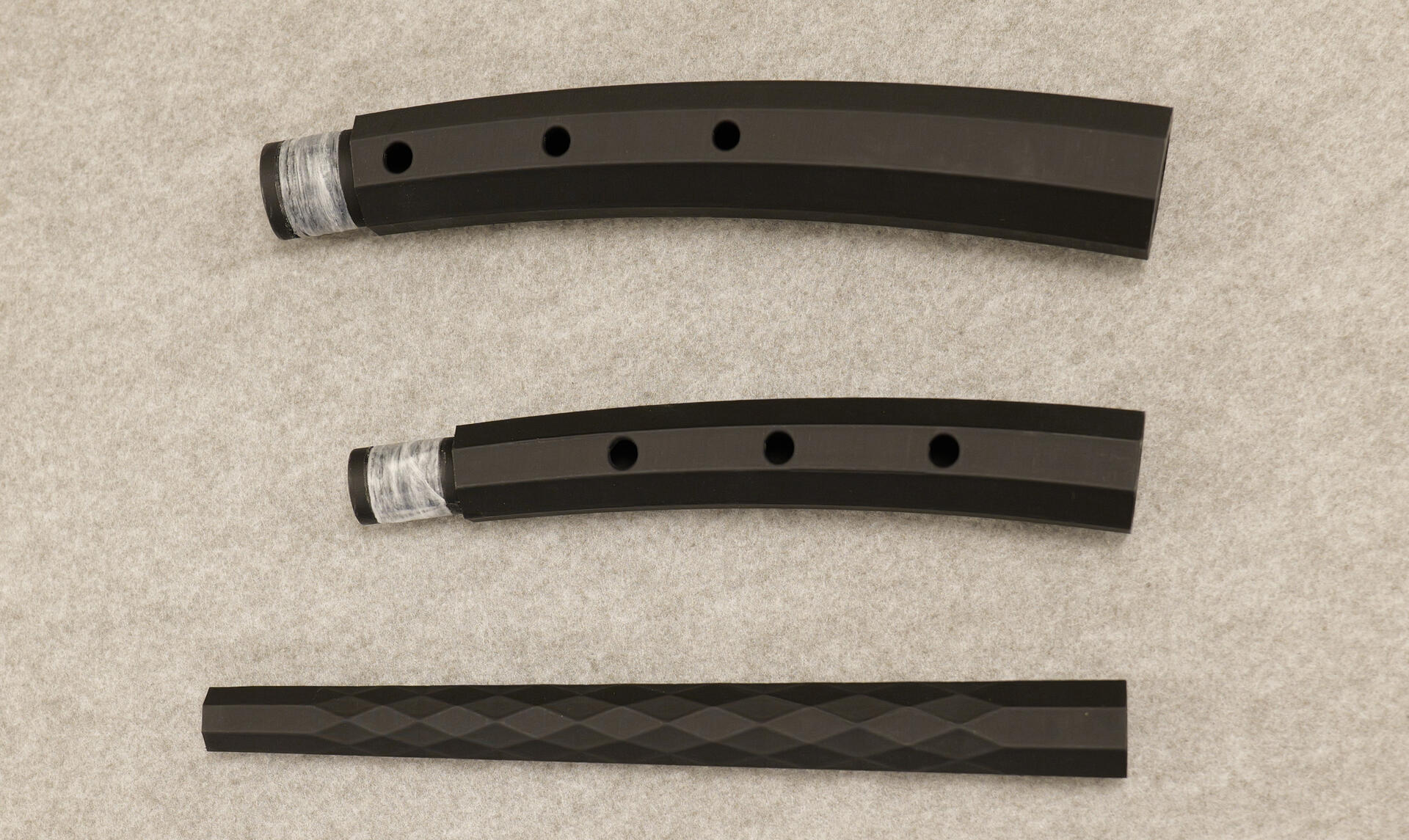
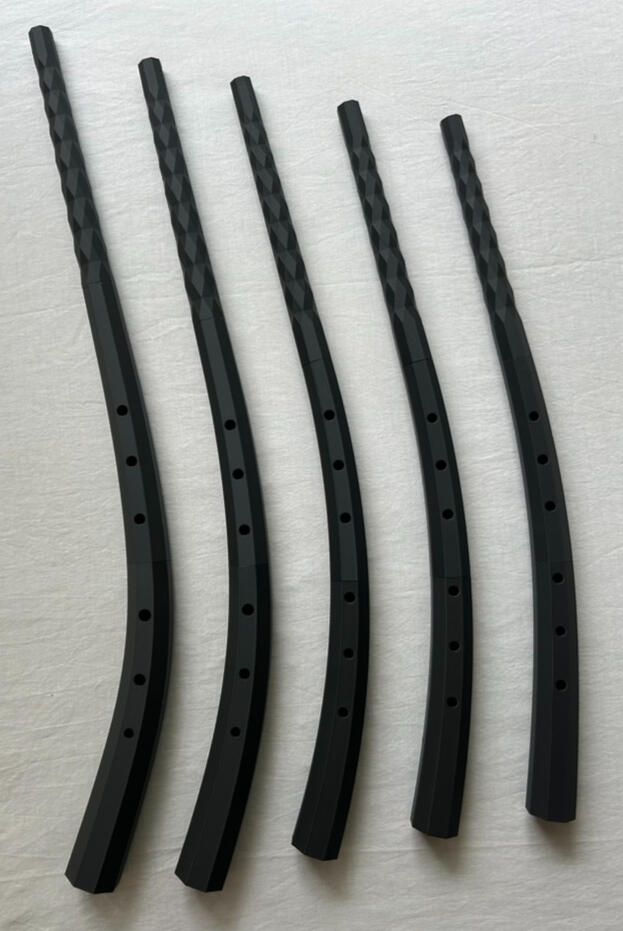
Our cornetti are split in 3 parts. Perfect when traveling! The joints are wrapped in thread, and consist both of very strong synthetic thread, used for example to make denim clothes, and also an additional outer layer of waxed dental floss to give a healthy amount of friction in the joint, and hold everything properly in place.
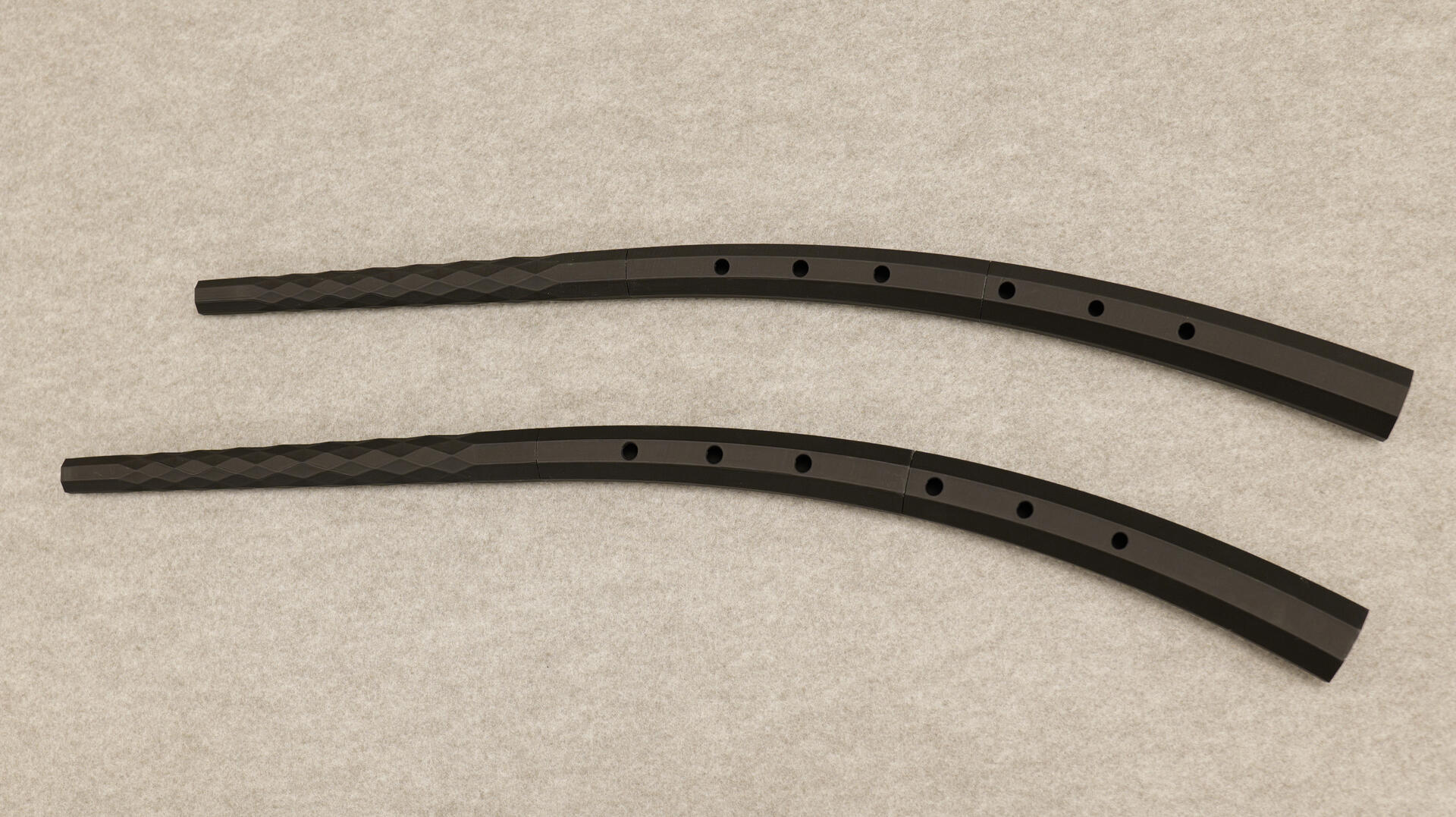
Soprano Cornetto in 440hz is probably the best starting point for most people. Depending on where you live and what other musicians you have around you, most people will likely play renaissance music in either a=440hz or 466hz.Soprano Cornetto in 466hz is one semitone above 440, and is a great option if you want to play with musicians using the more historically "correct" renaissance pitch of 466hz. It's also a great option for playing with ensembles using a=415hz as pitch standard, as you then can transpose down one whole tone, usually getting a somewhat playable key signature.
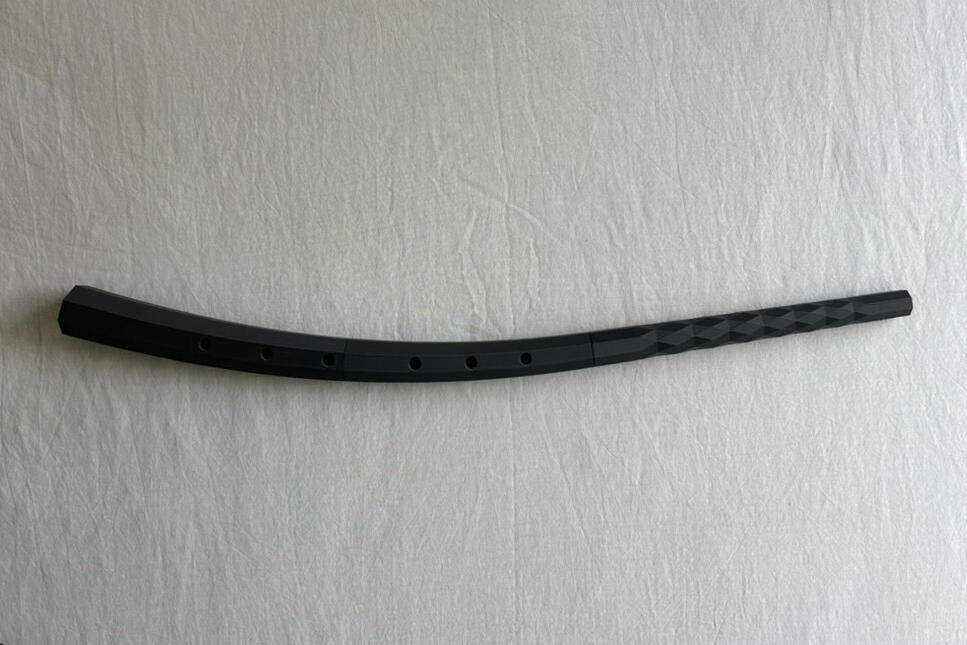
Soprano Cornetto in 492hz is tuned one whole tone* above 440hz. It is very nimble, and has a slightly brighter sound, though still far from the brightness of a cornettino. Perfect for example if you need to cut through an ensemble a bit more, or just need to get to a more playable key. And obviously if you're playing with other instruments at a=492hz.
(*technically, in equal tempered tuning, one whole tone above 440hz is more correctly 493,25hz. 492hz is a tuning used historically. Our 492hz cornetti can however easily be played in both these pitches by adjusting the mouthpiece accordingly)
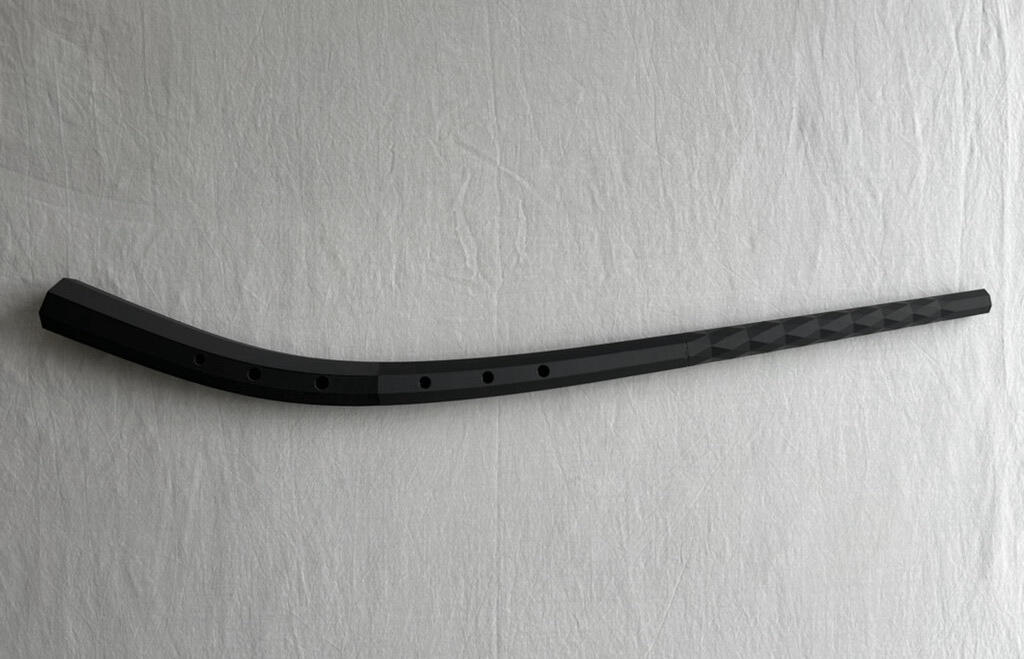
Alto cornetti in 440hz and 466hz are tuned one whole tone below their soprano counterparts. They have a beautifully mellow and full tone, especially when paired with a slightly bigger mouthpiece. Excellent for softer solo pieces or when doubling choir parts. (Note also that the alto in 466hz can be used as a soprano in 415hz, if needed)
To order from us, click here!
Or email [email protected]
design and materials
About the material and our design philosophyOur instruments are designed by us to give the best and easiest playability that we can manage to produce. This means that they are not exact copies of historical instruments. They are however certainly based upon- and informed by original designs.We believe that when using a modern method like 3d-printing to produce highly playable instruments, there is no real point for us to exactly reproduce historical designs. (now, for scientific reasons or just plain curiosity on the other hand, then it's just brilliant of course.)
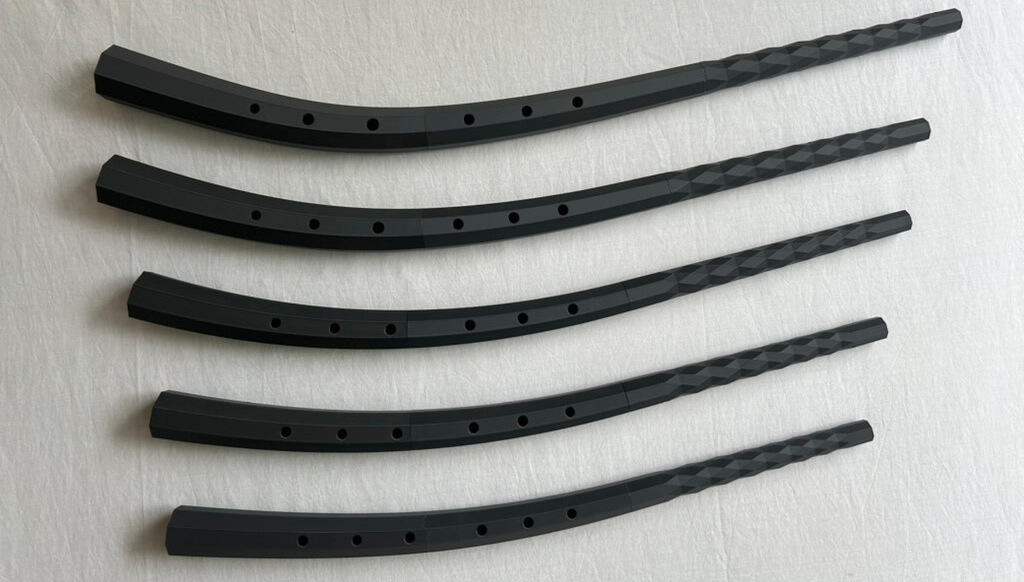
Our instruments are printed in PLA or PolyLactic Acid, which is probably the most common material used for 3d printing. It's relatively friendly to the environment (and to the people in the same house as the printer) and is also pretty durable. There are however more durable options on the market. During our testing though, we have found that these materials, along also with certain types and brands of PLA, have a certain "softness" or "elasticity" to them. This of course makes them a bit less likely to break, but also makes the sound and feel of the instrument more dampened and dull. (unsurprisingly maybe, manufacturers of the plastics used in 3d-printers normally don't care about the acoustical properties of their products..).
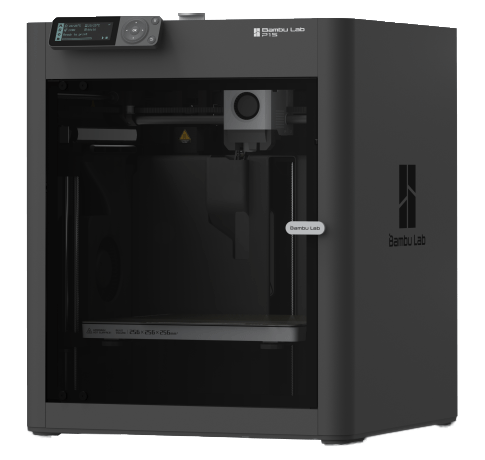
3d printing is a fantastic method of production that is definitely going to evolve over the years to come. It allows great freedom in what you can design and manufacture without the need for a full industrial setup. It is however (contrary maybe to popular belief) NOT as easy as just pressing a button... :-D
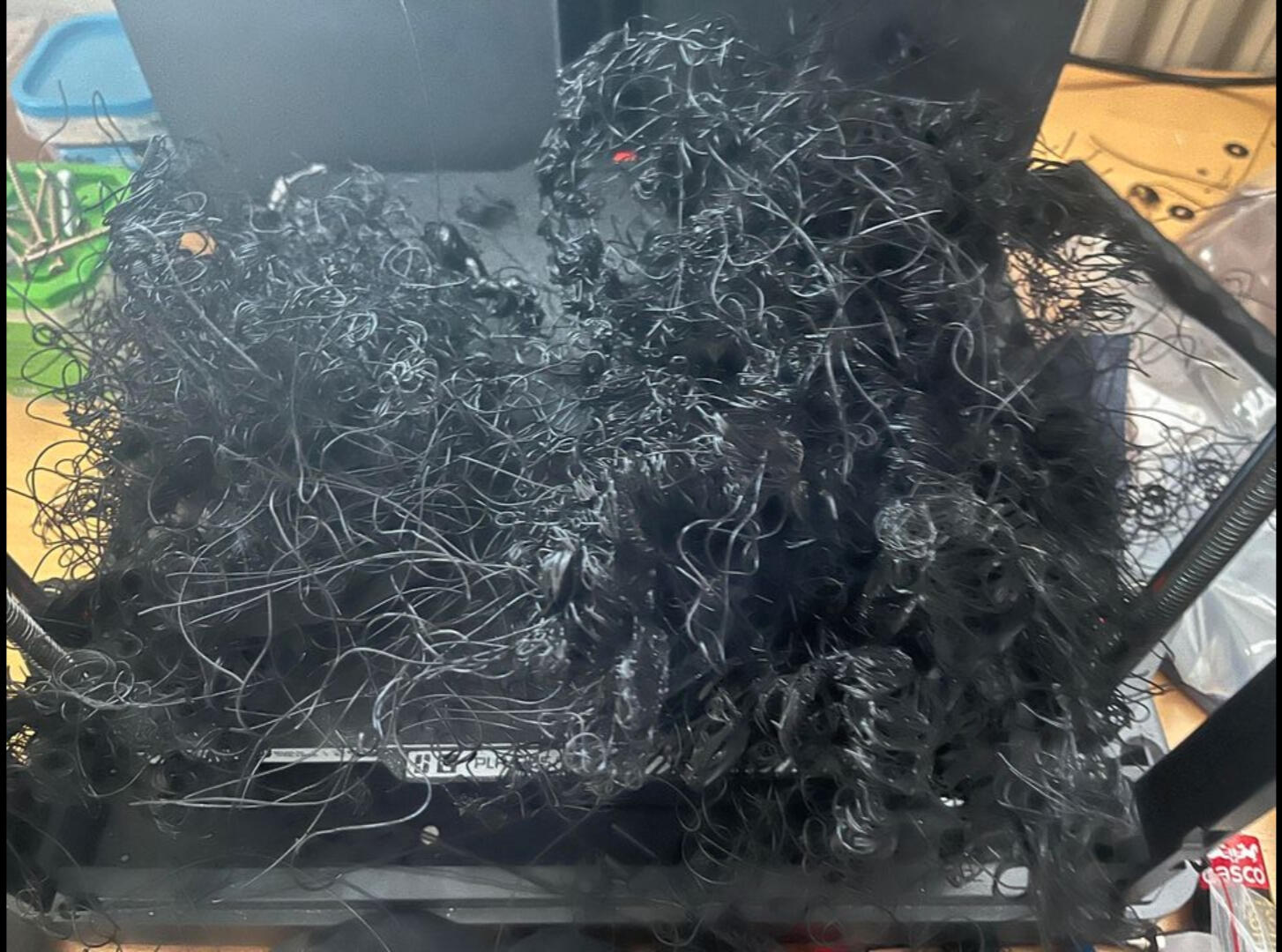
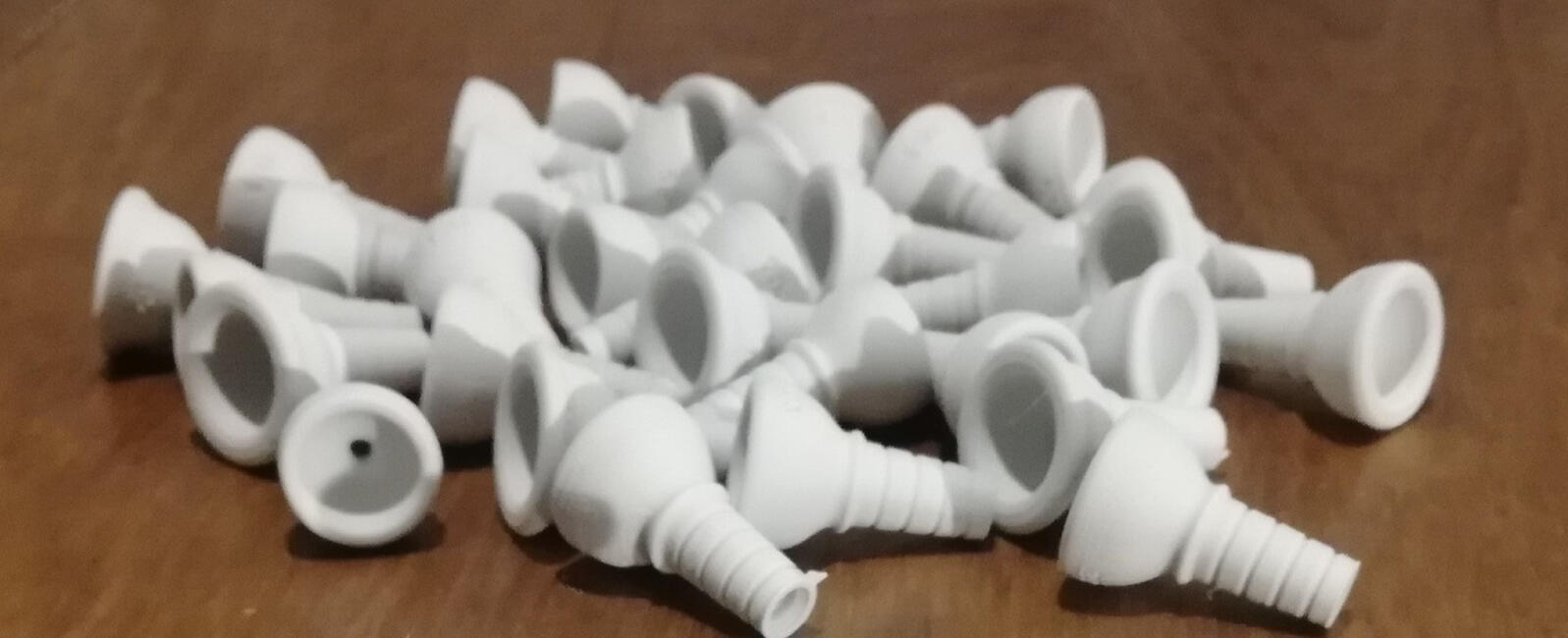
..we're pretty sure there's like a quarter or so of a cornetto in there somewhere..
Mouthpieces
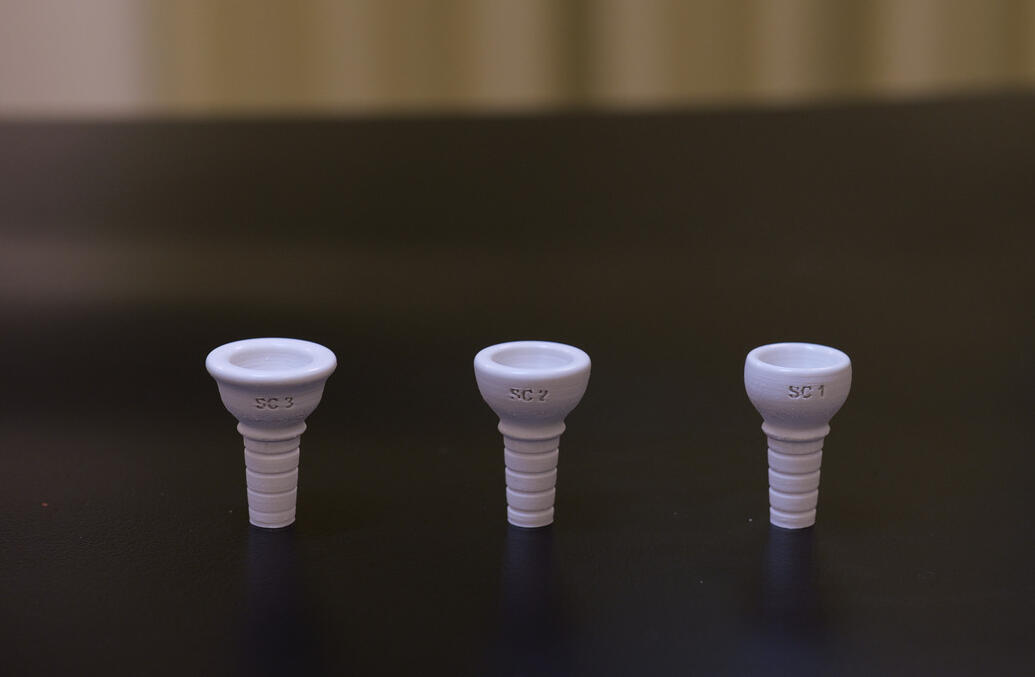
Finding a mouthpiece that suits you can be really tricky, especially when just starting out. We therefore supply 3 mouthpieces of different sizes and types with our cornetti. This is to give you a good starting point on your journey to find your own "perfect" mouthpiece. We can adapt all models, and also make completely new ones when you have a better idea on what you prefer, or if you already are an experienced player.These mouthpieces are printed on a normal 3d-printer, and the surface can be a little bit rough because of it. We however hand polish the rims to be very smooth.
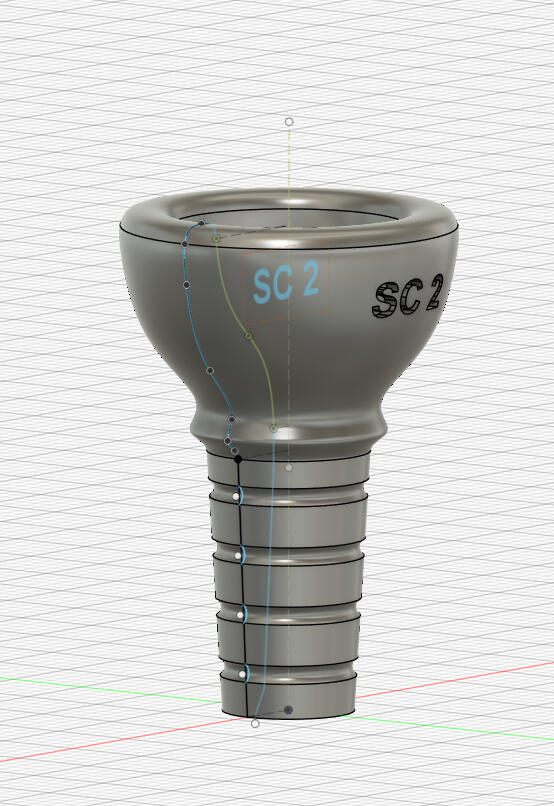
If you would like us to print a mouthpiece from your specifications, or just maybe want to try out ideas you have, we'd love to help out. Designing and 3d printing a custom mouthpiece is actually a pretty simple process, from a purely technical standpoint. Obviously though, the process of finding the perfect mouthpiece for you is probably more complicated, but the benefit of easily being able to print several similar prototypes for testing definitely helps!
To order from us, click here!
Or email [email protected]